The Art of Summer: Marina Fedorova’s column for Hia Magazine
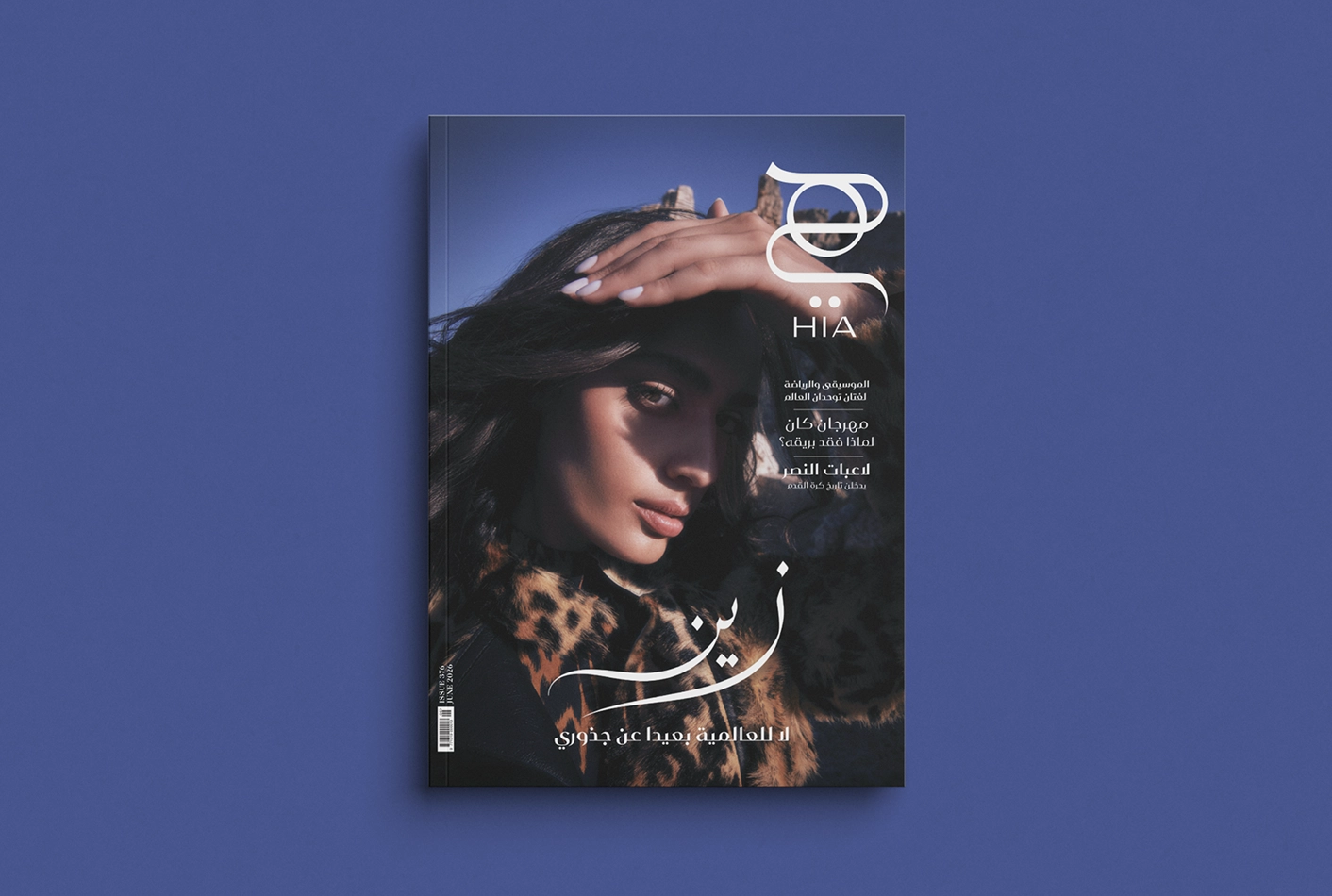
Summer changes the way we see the world. Colors become brighter, days longer, memories more cinematic. For artists, summer has never been simply a season. It is a state of light, movement, and imagination.
For centuries, artists and writers have been fascinated by travel not simply as movement through geography, but as a transformation of perception. A train station, a hotel terrace, a garden at sunset. Summer has always carried a particular emotional intensity: freedom mixed with nostalgia, beauty mixed with the awareness that everything is temporary. Perhaps this is why so many masterpieces in art were born from journeys.
The story begins with the Impressionists. In the nineteenth century, artists left their studios and traveled toward sunlight. Normandy, the Mediterranean, Venice, London fog, seaside resorts, these places became laboratories of modern vision. Claude Monet painted not objects, but atmosphere itself: reflections trembling on water, summer gardens dissolving into color, cathedrals disappearing in changing light. Travel allowed him to observe how the world transforms from one hour to another.
More than a century later, David Hockney continues this dialogue with light and landscape in a completely contemporary way. Like Monet, Hockney became deeply inspired by Normandy, creating vibrant digital paintings on his iPad during his stay there. Blossoming trees, changing skies, morning roads after rain. Technology changes, but artistic wonder remains the same. Hockney’s California swimming pools are also among the great modern icons of summer — images flooded with sunlight, leisure, turquoise water, and architectural clarity.
Many writers were inspired by summer as well. Marcel Proust transformed seaside summers and gardens into meditations on memory and time. Ernest Hemingway turned movement itself into literature: trains, cafés, coastlines, fishing boats, roads disappearing into heat.
Perhaps this is the true luxury of summer: not speed, but attention. The ability to notice light on a hotel curtain, reflections in train windows, the color of evening air after the heat of the day. So this season, alongside sunglasses and swimwear, perhaps don’t forget to pack a nice book with you.
MARINA FEDOROVA